If you’ve got thick, wiry facial hair, lathering up with just any shaving soap feels like trying to cut rope with a butter knife. It tugs. It pulls. You end up with red bumps, not a clean shave. The problem isn’t your razor—it’s your lather. Standard soaps simply don’t generate enough cushion or slip for coarse strands. But there’s a fix: purpose-built shaving soaps for coarse hair that actually soften and lift stubborn bristles before the blade even touches skin.
Why Off-the-Shelf Soaps Can’t Handle Coarse Beards
Most mass-market shaving soaps are formulated for average hair—not the dense, resilient kind that laughs at double-edge razors. They rely on cheap surfactants that foam fast but offer zero lubrication under pressure. And glycerin-heavy formulas? They’ll dry out mid-shave on thick beards, leaving your skin raw.
Coarse hair has a larger diameter and tougher cuticle layer. It needs longer hydration time and superior glide. Generic soaps ignore this biology. They prioritize scent over function. The result? Micro-cuts, ingrown hairs, and frustration.
How to Shave Coarse Hair Without the Battle
The key is moisture retention + slickness. Not just any lather—but a dense, creamy, long-lasting one that clings to each strand like a second skin.
Pick Your Base Right
Look for tallow or shea butter as the first ingredient. These mimic natural sebum and penetrate coarse hair better than palm oil or synthetic bases. Yes, vegan options exist—but they often sacrifice performance unless fortified with kokum or mango butter.
Lather Technique Matters More Than You Think
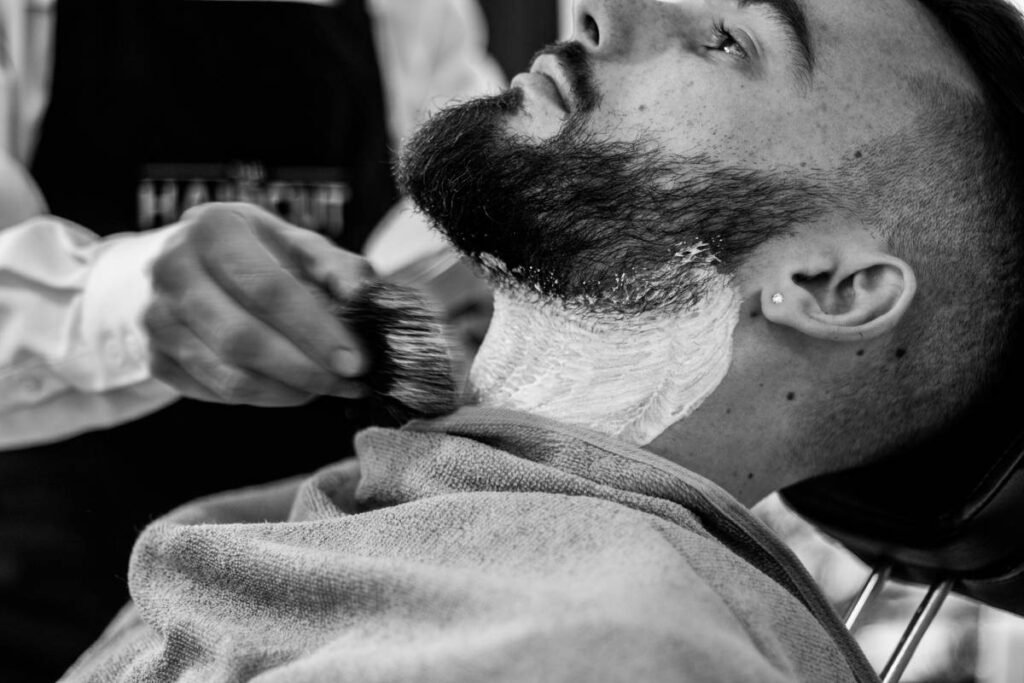
Dry brush? Big mistake. Always soak your beard in warm water for 2–3 minutes first. Then load your brush directly on the soap puck for 45 seconds—don’t rush it. Build lather in a bowl (not on face) using tight circular motions. Let it rest 30 seconds. That pause lets the fats fully hydrate the hair shaft.
Razor Choice Is Secondary (But Still Counts)
A sharp single-blade razor glides easier through pre-softened coarse hair. Avoid multi-blade cartridges—they pull hairs up and cut below skin level, inviting ingrowns.
| Shaving Method | Cost per Shave | Effectiveness on Coarse Hair | Risk of Irritation |
|---|---|---|---|
| Drugstore Gel + Cartridge Razor | $1.20 | Low | High |
| Natural Shaving Soap + DE Razor | $0.18 | Very High | Low (if technique is correct) |
| Pre-lathered Creams | $0.65 | Moderate | Medium |
The Industry Secret Nobody Talks About
Here’s what top barbers won’t tell you: pH balance is the silent game-changer. Most soaps sit around pH 9–10—too alkaline for coarse hair, which responds best to slightly acidic conditions (pH 5.5–6.5). That high pH swells the hair shaft temporarily, making it brittle during cutting. A few artisanal brands now formulate at skin-neutral pH, using citric acid buffers. The difference? Cleaner cuts, less tug, faster healing. Find one—it’s worth the hunt.
And no, adding vinegar to your rinse won’t fix a bad soap. Start right at the lather stage.
FAQ: Real Questions from Guys with Coarse Beards
Can shaving soaps for coarse hair prevent razor bumps?
Yes—if they contain slip-enhancing ingredients like castor oil and are used with proper prep. Bumps stem from poor glide and rushed strokes, not just hair type.
How long should I let the lather sit before shaving?
At least 60 seconds. Coarse hair needs time to absorb moisture. Rushing leads to drag and nicks.
Are hard soaps better than soft creams for thick beards?
Hard soaps typically pack more concentrated fats—ideal for dense hair. But some premium soft creams (like those with lanolin) can outperform cheap hard pucks. Judge by ingredients, not format.