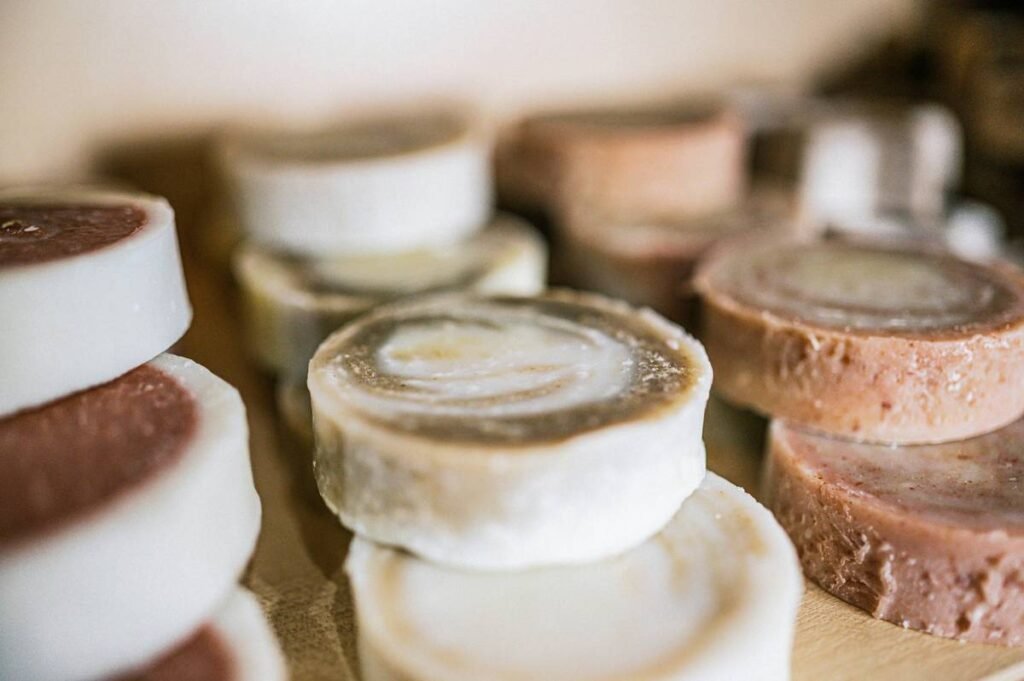
You lather up. Blade hits skin. And within minutes—burning, redness, razor bumps. If your face reacts like it’s under siege every time you shave, standard foams and gels aren’t the solution. They’re the sabotage. The real fix? Shaving soaps for sensitive and irritated skin—formulated not just to lubricate, but to heal.
Why Most Shaving Products Make Sensitive Skin Worse
Big brands load their canned foams with propellants, sulfates, and synthetic fragrances. Great for shelf life. Terrible for your epidermis. These ingredients strip natural oils, disrupt your skin barrier, and leave microscopic abrasions primed for inflammation.
Your skin isn’t “overreacting.” It’s responding exactly as it should—to chemical assault. And slapping on an aftershave with 70% alcohol? That’s pouring gasoline on a smolder.
How to Choose & Use Shaving Soaps for Sensitive and Irritated Skin
Picking the right soap—and using it right—is half the battle. Here’s how to turn your shave from trauma to therapy.
Look for These Ingredients (and Avoid Those)
Seek out **colloidal oatmeal**, **allantoin**, **shea butter**, and **glycerin**—ingredients that soothe while they protect. Steer clear of menthol, camphor, parabens, and anything labeled “fragrance” without full disclosure.
Master the Lather Technique
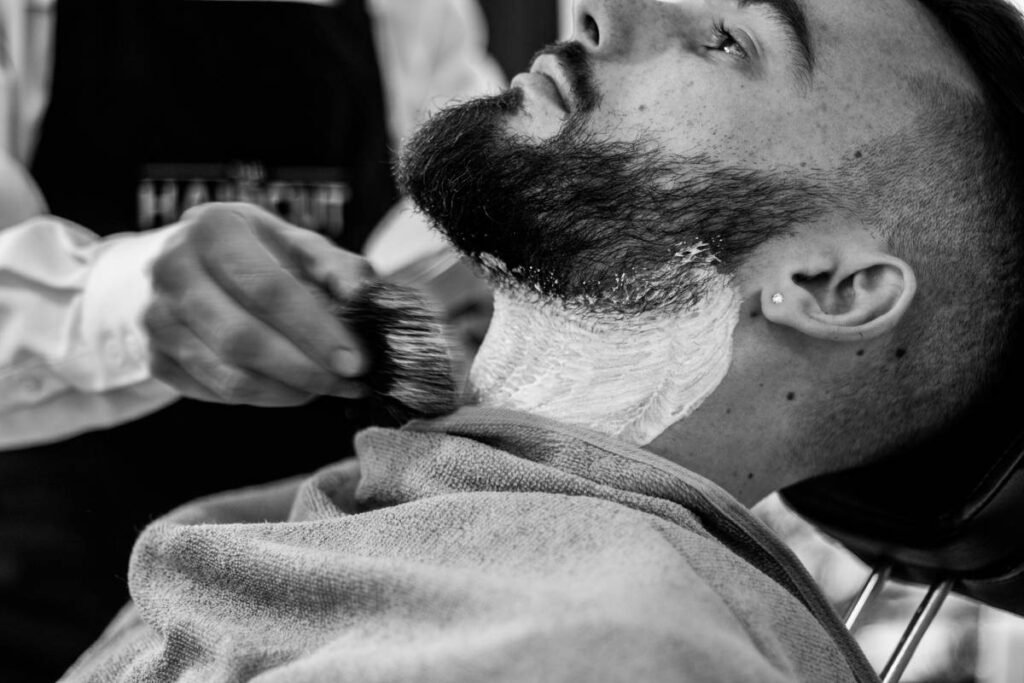
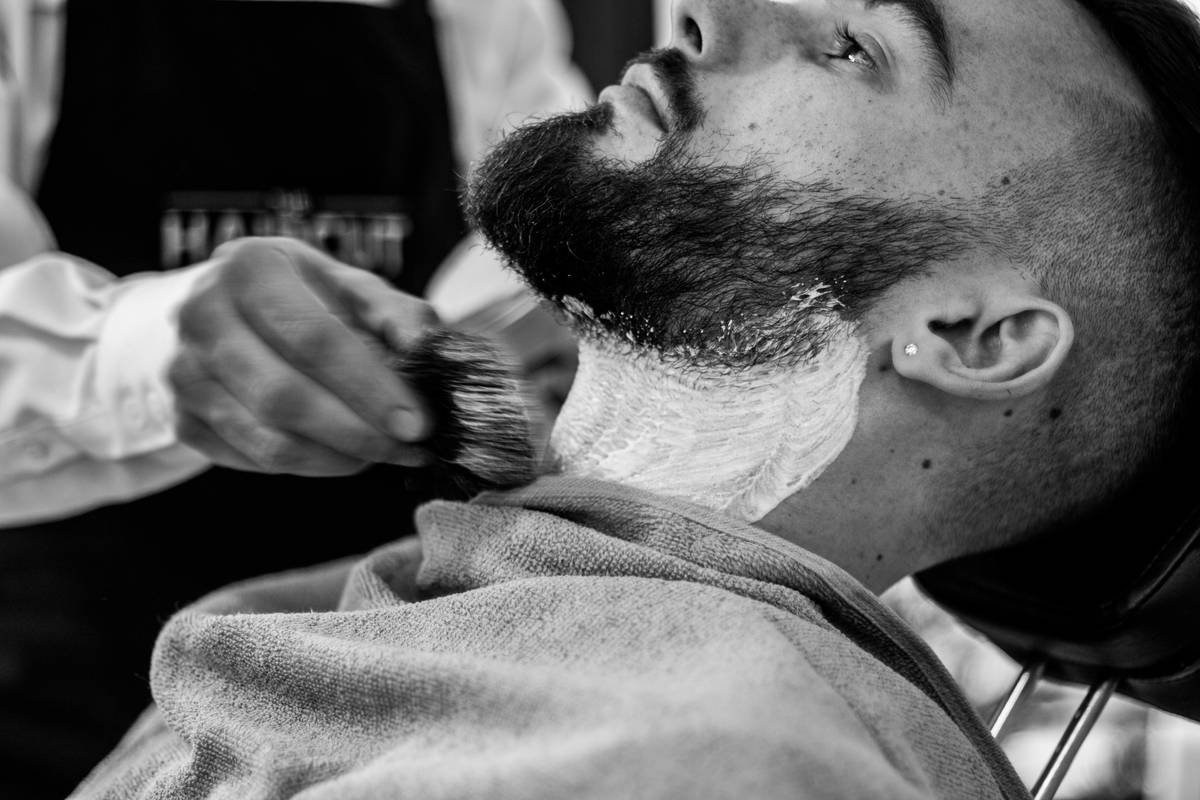
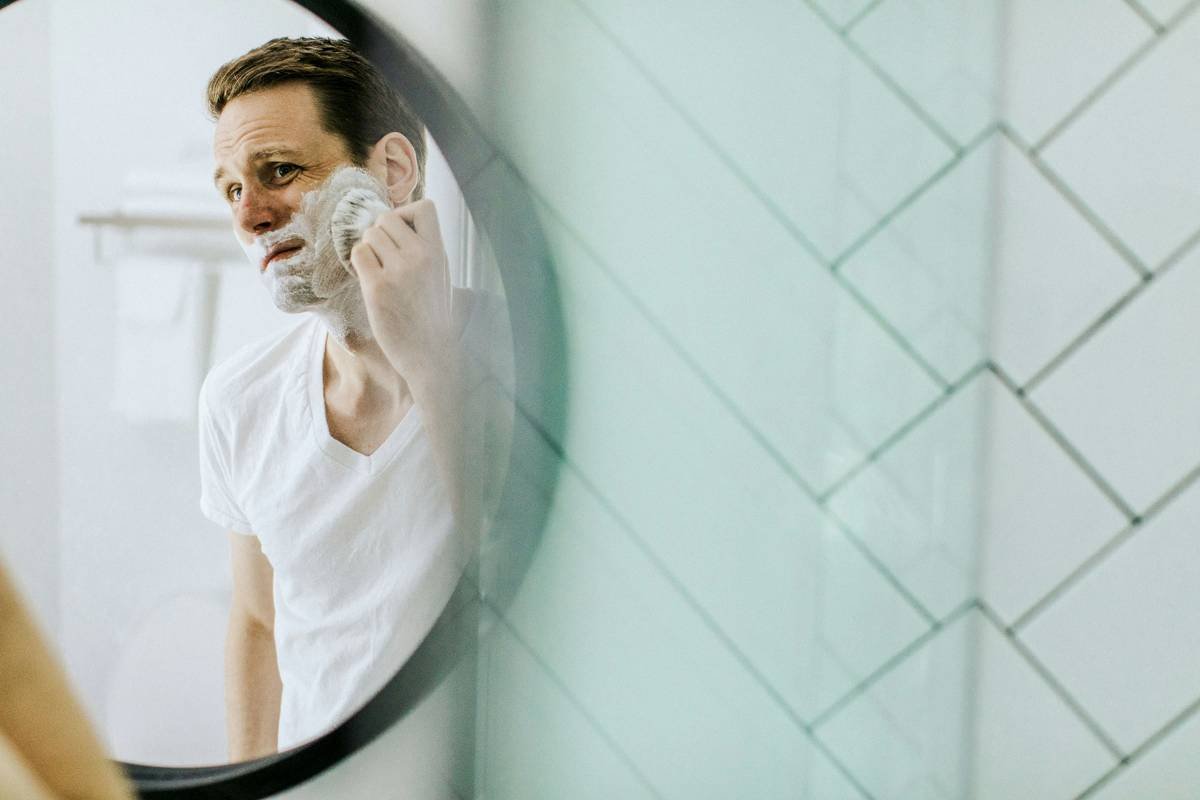
Ditch the palm. Use a badger or silvertip brush. Add warm—not hot—water gradually. Work the soap in circular motions for 60 seconds. You’re not just creating foam; you’re prepping a moisture shield that lifts hairs without dragging skin.
Post-Shave Protocol Matters Just as Much
Rinse with cool water. Pat dry—never rub. Apply a balm with ceramides or panthenol immediately. Your shave doesn’t end when the blade stops. It ends when your barrier is restored.
| Product Type | Average Cost per Shave | Irritation Risk | Barrier Support |
|---|---|---|---|
| Canned Foam (Drugstore) | $0.15 | High | None |
| Gel (Alcohol-Based) | $0.20 | Very High | Negative |
| Artisan Shaving Soap (Sensitive Formula) | $0.35 | Low | Strong |
| Shaving Cream (Natural Brand) | $0.50 | Moderate | Moderate |
The Industry Secret: Not All “Natural” Soaps Are Safe
Here’s what no brand will tell you: “natural” is unregulated. A soap can be 95% coconut oil—and still cause flares if it’s high in lauric acid, which disrupts lipid balance in reactive skin. I’ve seen clients switch from drugstore foam to a “natural” tallow soap—only to get worse rashes.
The real differentiator? pH. Healthy facial skin sits around 4.5–5.5. Most soaps—artisan or not—hover near 9–10. Too alkaline, and you’re compromising your acid mantle. The few shaving soaps for sensitive and irritated skin that test pH-balanced? They’re rare. But they exist. Hunt them. Your skin will thank you.
Frequently Asked Questions
Can shaving soap cause breakouts?
Yes—if it contains comedogenic oils like coconut or lanolin. Opt for non-pore-clogging bases like shea or jojoba. Always rinse thoroughly.
How often should I replace my shaving soap?
Most last 3–6 months with daily use. Discard if it develops mold, odd odors, or fails to lather despite proper technique.
Are glycerin-based soaps better for irritation?
Generally, yes. Glycerin attracts moisture and supports barrier repair—critical for calming redness post-shave.