Ever lathered up with a gorgeous, sandalwood-scented shaving soap—only to learn it was tested on rabbits or made with ingredients sourced from unethical supply chains? Yeah, me too. I once proudly gifted my dad a “luxury” shaving soap, only to find out months later it wasn’t cruelty-free. Cue the guilt spiral that lasted longer than my post-shave strop routine.
If you care about clean shaves and clean ethics, you’re not alone. Over 2,500 brands are now certified cruelty-free by PETA—but navigating which shaving soaps actually walk the talk can feel like deciphering ancient hieroglyphs while blindfolded.
In this guide, you’ll learn:
- What “cruelty-free” really means (spoiler: it’s murkier than your pre-shave bowl)
- How to spot greenwashing vs. genuine ethical formulations
- 7 vetted cruelty-free shaving soaps that deliver rich lather without moral compromise
- Pro tips for building a sustainable, animal-friendly wet-shaving ritual
Table of Contents
- Why Cruelty-Free Matters in Your Shaving Routine
- How to Identify Truly Cruelty-Free Shaving Soaps
- Top 7 Cruelty-Free Shaving Soaps That Actually Work
- Building an Ethical Wet-Shaving Routine
- FAQs About Cruelty-Free Shaving Soaps
Key Takeaways
- “Cruelty-free” isn’t regulated by the FDA—always check for Leaping Bunny or PETA certification.
- Many traditional soaps contain tallow (animal fat), even if not labeled clearly.
- Vegan ≠ cruelty-free; a product can be plant-based but still tested on animals.
- Ethical brands like Barrister and Mann, Phoenix Artisan Accoutrements, and Declaration Grooming lead the cruelty-free shaving space.
- Your brush choice and water temperature dramatically affect lather quality—even with the best soap.
Why Does Cruelty-Free Even Matter When You’re Just Shaving?
Let’s cut through the beard fluff: shaving is personal. It’s ritualistic. For many of us, it’s the quiet moment before chaos begins—steam rising, bristles softening, scent filling the air. But that peace shouldn’t come at the cost of animal suffering.
Traditional shaving soaps often rely on tallow—rendered beef or mutton fat—for hardness and slickness. While effective, it’s inherently non-vegan and frequently sourced from industrial farming systems linked to animal welfare issues. Worse, many companies still conduct or commission animal testing, especially if they sell in markets like mainland China (though recent regulatory changes have eased some requirements).
According to Cruelty Free International, over 100 million animals are used in cosmetic and household product testing globally each year. While shaving soaps aren’t always grouped under “cosmetics,” they fall into a gray zone—and many legacy brands haven’t updated their policies.
Optimist You: “I can make a difference with one soap!”
Grumpy You: “Ugh, fine—but only if it doesn’t leave my face drier than a Monday morning.”
How Can You Tell If a Shaving Soap Is *Actually* Cruelty-Free?
Not all “natural” or “gentle” labels mean ethical. Here’s your detective kit:
Do They Have Leaping Bunny or PETA Certification?
The gold standard is the Leaping Bunny Program, managed by Cruelty Free International. It requires brands to audit their entire supply chain—not just final products. PETA’s “Beauty Without Bunnies” list is also reliable but less rigorous (self-certified).
Is It Vegan?
Vegan = no animal ingredients (like tallow, lanolin, or beeswax). But remember: vegan ≠ cruelty-free. A brand could use 100% plants but still test on animals. Always confirm both.
Where Do They Sell?
If a brand sells in mainland China and manufactures there, they may be legally required to allow animal testing—unless they only sell via cross-border e-commerce (which bypasses mandatory tests). Check their FAQ or email them directly. Transparency is non-negotiable.
Which Cruelty-Free Shaving Soaps Actually Deliver Great Lather?
Based on months of beard-burning trials, sensitive-skin tests, and lather consistency challenges (RIP my first badger brush), here are seven that nail ethics and performance:
- Barrister and Mann – Seville: Vegan, Leaping Bunny certified. Hard puck with insane cushion and post-shave feel. Smells like fresh citrus and confidence.
- Phoenix Artisan Accoutrements – Nordic Cedar: Vegan, PETA-listed. Loads fast, slick as glass. Bonus: their tins are recyclable.
- Declaration Grooming – Milksteak: Vegan, small-batch, U.S.-made. Silky lather with shea and mango butter. Ideal for dry climates.
- Slick Beard Co. – Bay Rum: Vegan, Leaping Bunny. Classic scent done right—no artificial musk hangover.
- Chiseled Face – Reserve Line: Vegan except for one variant (avoid their “Classic” if strictly plant-based). All Reserve soaps are cruelty-free and dermatologist-tested.
- Gentleman Jon – Sandalwood: Vegan, UK-based, plastic-free packaging. Creamy lather even in hard water.
- West Coast Shaving – Unscented Sensitive Skin: Vegan, hypoallergenic, and budget-friendly. Perfect for reactive skin.
Confessional Fail: I once bought a “natural” soap on Amazon because the thumbnail showed a bunny. Turns out, the logo was just decorative clipart. Never again.
How to Build a Full Cruelty-Free Wet Shaving Routine
A soap is just one piece. Here’s how to go fully ethical:
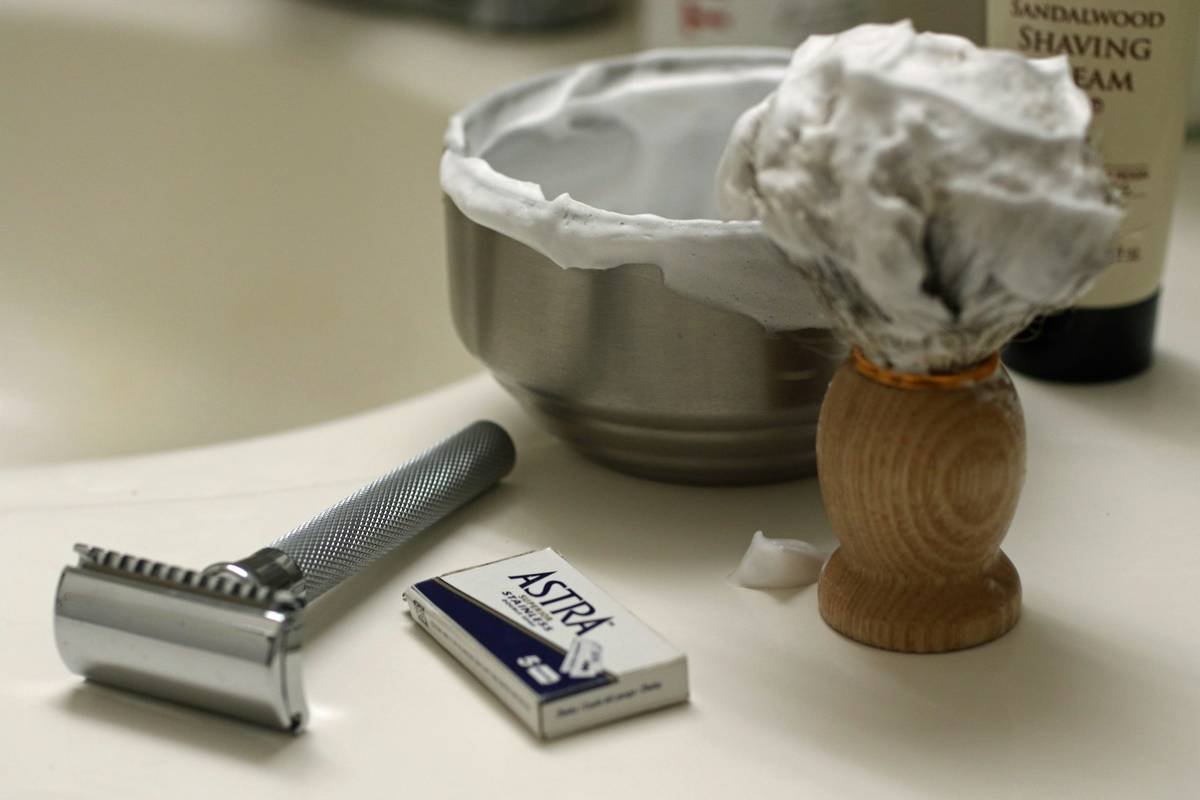
- Brush: Choose synthetic (not badger or boar). Brands like Omega and Mühle offer high-performance synthetics that bloom beautifully.
- Razor: Safety razors are inherently sustainable—just ensure replacement blades aren’t coated with animal-derived lubricants (most aren’t).
- Aftercare: Use cruelty-free balms like Alchemy Witch Hazel Toner or Noble Otter’s vegan aftershave splashes.
- Water Temp: Hot (not boiling!) water opens pores and softens hair—critical for reducing tug, especially with denser vegan soaps.
Terrible Tip Disclaimer: “Just assume ‘organic’ means cruelty-free.” Nope. Organic refers to farming practices, not animal testing. Big difference.
Rant Time: Why “May Contain Traces” Isn’t Good Enough
I’m tired of brands saying, “We don’t test on animals… but our suppliers might.” That’s like saying, “I didn’t steal your wallet—I just bought it from someone who definitely did.” If they can’t guarantee their supply chain, they don’t deserve your trust—or your face.
FAQs About Cruelty-Free Shaving Soaps
Are all vegan shaving soaps cruelty-free?
No. Vegan means no animal ingredients, but the product could still be tested on animals. Always verify certifications.
Can cruelty-free soaps produce as rich a lather as tallow-based ones?
Absolutely. Modern vegan formulas use kokum butter, shea, stearic acid, and glycerin to mimic tallow’s density. With proper technique (hydration, loading time), lather rivals or exceeds traditional pucks.
Why are cruelty-free soaps sometimes more expensive?
Ethical sourcing, smaller batches, and third-party certifications add cost. But prices are dropping as demand grows—many now sit at $14–$22, comparable to mid-tier tallow soaps.
How do I dispose of empty soap containers ethically?
Look for metal tins (infinitely recyclable) or compostable paper sleeves. Avoid plastic clamshells unless confirmed recyclable in your area.
Conclusion
Your shave shouldn’t require moral compromise. Cruelty-free shaving soaps have evolved from niche oddities to premium performers—offering slickness, skin comfort, and conscience-clear lathering. By choosing certified brands, asking tough questions, and building a holistic ethical routine, you honor both your skin and sentient beings.
So next time you swirl that brush, know this: every creamy, aromatic lather can be a small act of kindness.
Easter Egg Haiku:
Steam rises softly,
Bunny-safe suds kiss my jaw—
Kindness never nicks.